Creating Calm, Supportive Spaces for Mental Health and Emotional Regulation
Calming rooms • Sensory regulation • Patient safety

Emotional responses are rooted in the nervous system. In moments of distress, the body may enter heightened or shut-down states that make communication, focus, and engagement difficult.
Supporting regulation means offering experiences that:
OMi Sensory Projectors provide gentle environmental support that helps the nervous system settle – without expectation to talk or participate.

OMi systems are used within specialist services where individuals may be experiencing high levels of distress or emotional dysregulation. This includes:
In these settings, the systems are used as a supportive environmental tool, not as therapy, and always facilitated within existing safeguarding practices.
In calm environments, sensory input needs to be predictable, controllable, and optional.

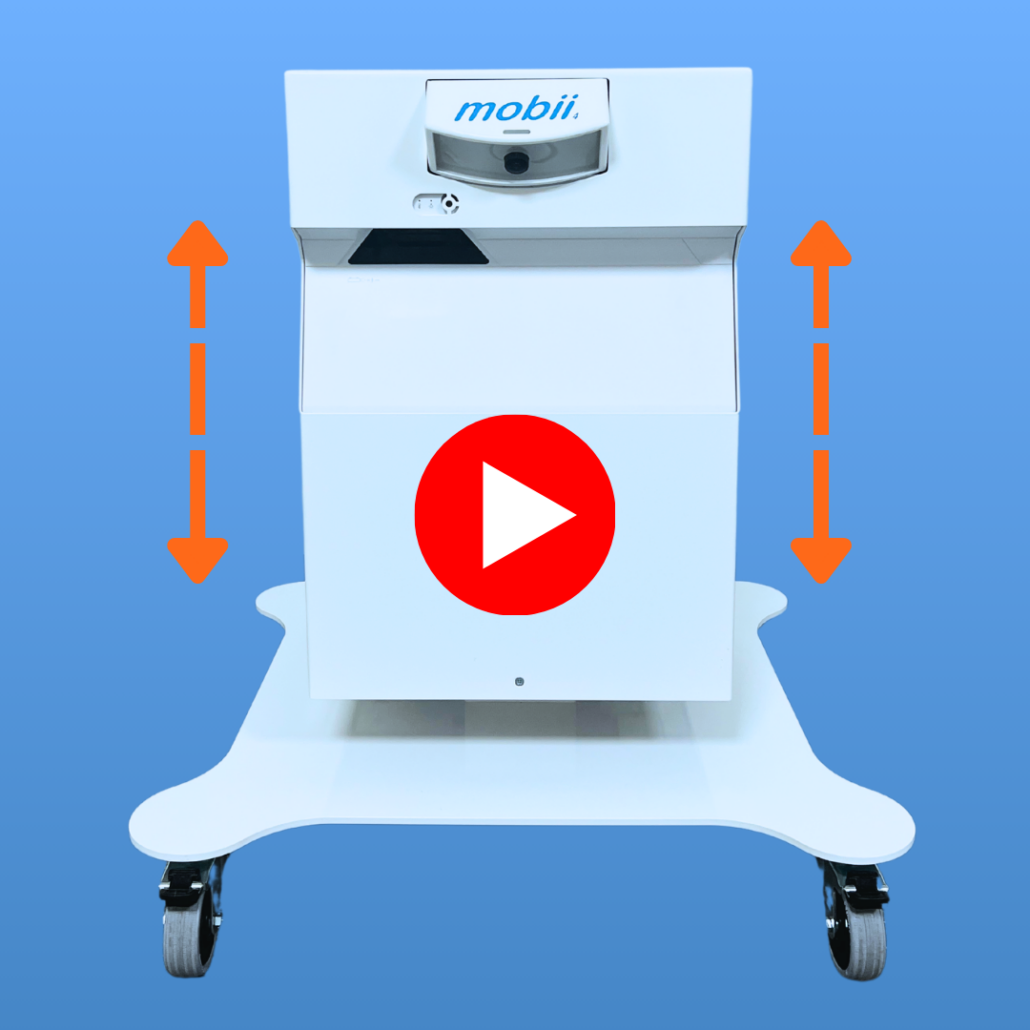

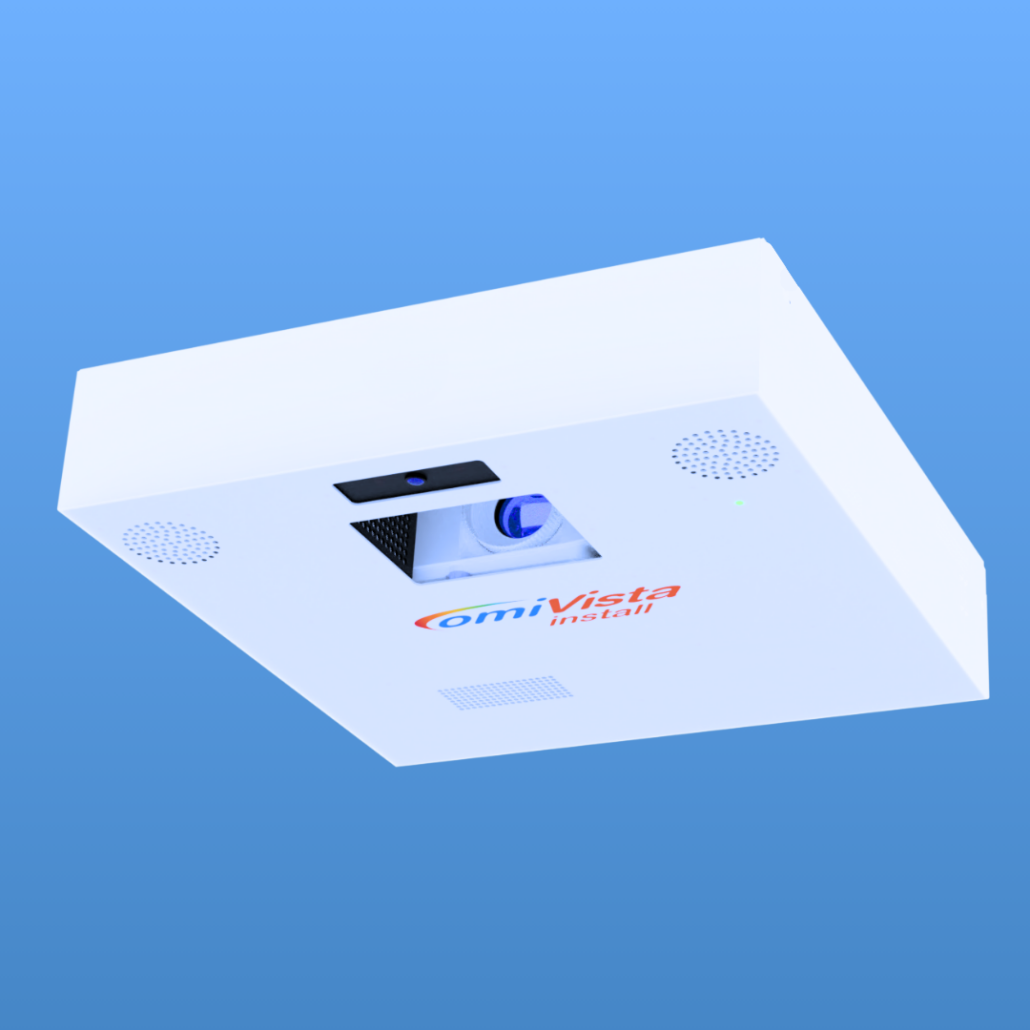

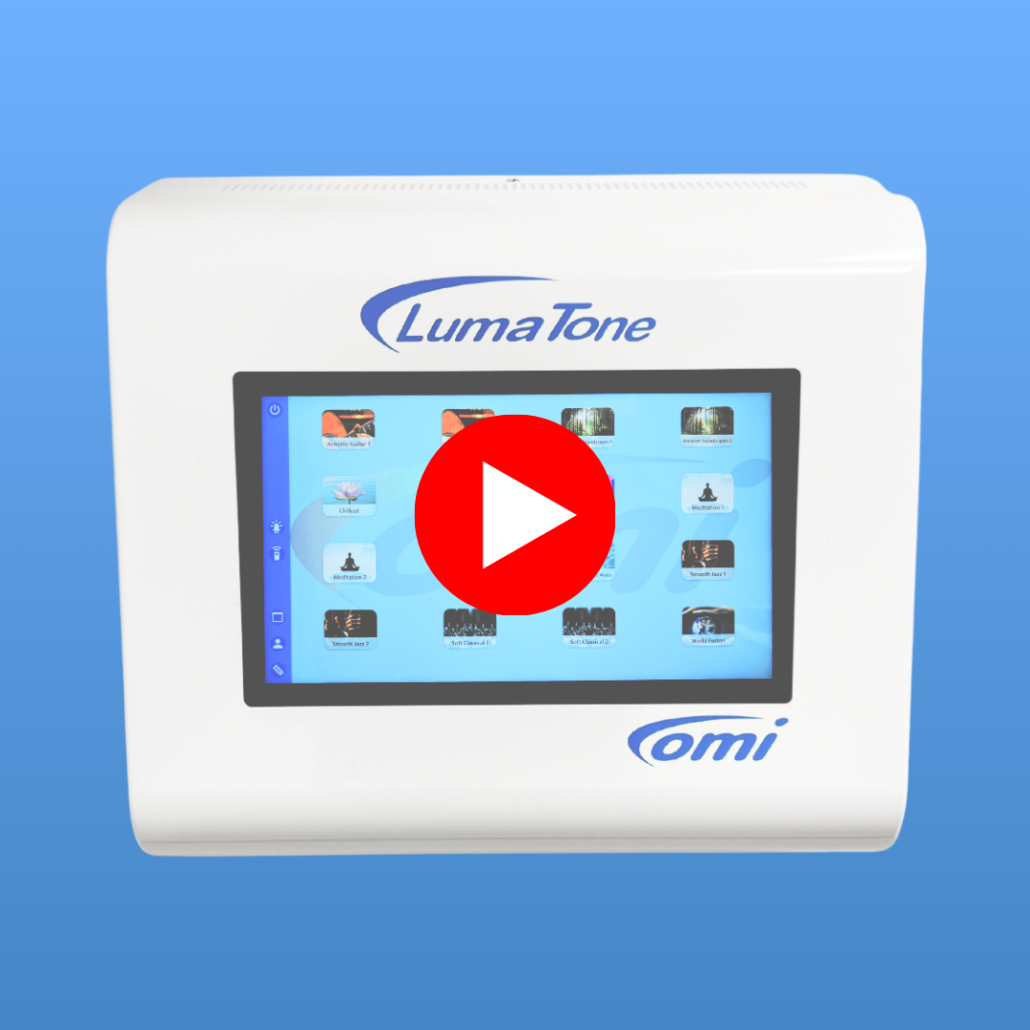

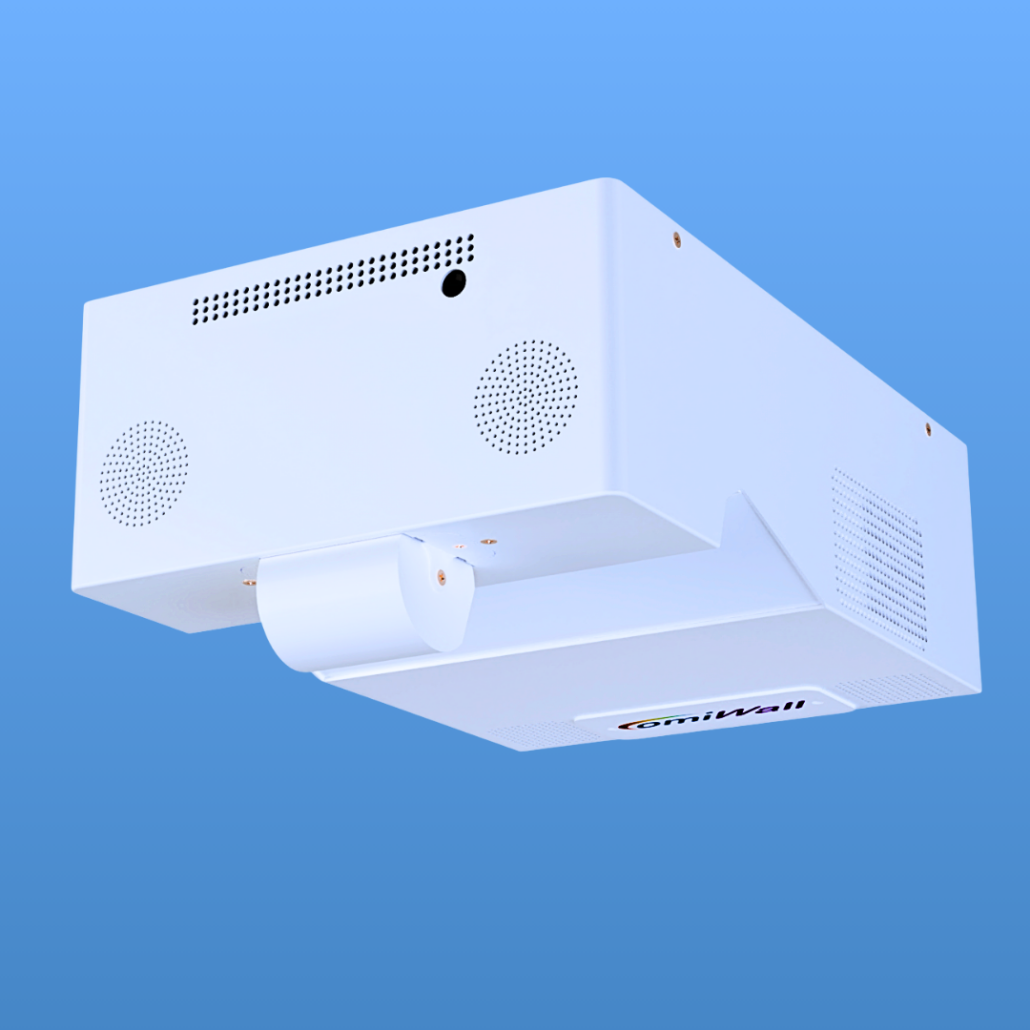
Interactive projection and sensory technologies offer a flexible way to shape environments in real time. Visuals can respond to touch, movement, or sound, allowing individuals to engage at their own pace and in their own way.
Common wellbeing-focused uses include:
Because experiences can be adapted instantly, sessions can be tailored to individual preferences, emotional states, and support goals.
Examples of use in specialist settings
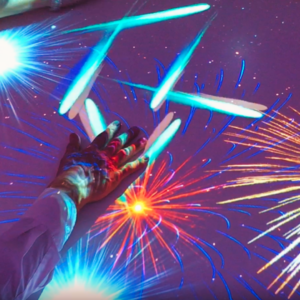
Designed for low-pressure engagement
Suitable for specialist support environments
Within custodial settings, OMi systems can be used in supervised spaces such as wellbeing rooms, education areas, or specialist support sessions. It offers a structured, low-risk activity that can support emotional regulation, engagement, and focus without reliance on verbal interaction.
Key points:
Suitable for specialist support environments
For individuals accessing sexual assault or sexual violence support services, OMi systems can help create a calmer physical environment during or around support sessions. It may be used to support grounding, emotional regulation, or simply to provide a neutral focus in moments of heightened stress.
Important:
OMi Sensory Projectors are a therapeutic intervention and does not replace specialist support. It is intended to complement mental health support practice by supporting the environment in which care is delivered.
If you’re exploring sensory support within a mental health environment, we can share guidance and practical examples tailored to your setting.
Our team can help you identify a suitable setup for your space, share example session ideas, and advise on practical considerations such as room layout, facilitation style, and day-to-day use. OMi systems are designed to be easy for staff to use with minimal setup.
Prefer to keep your enquiry general? That’s absolutely fine – we can discuss options without you sharing sensitive details.
A note on privacy and safeguarding
We recognise the sensitivity of the environments in which our systems may be used.